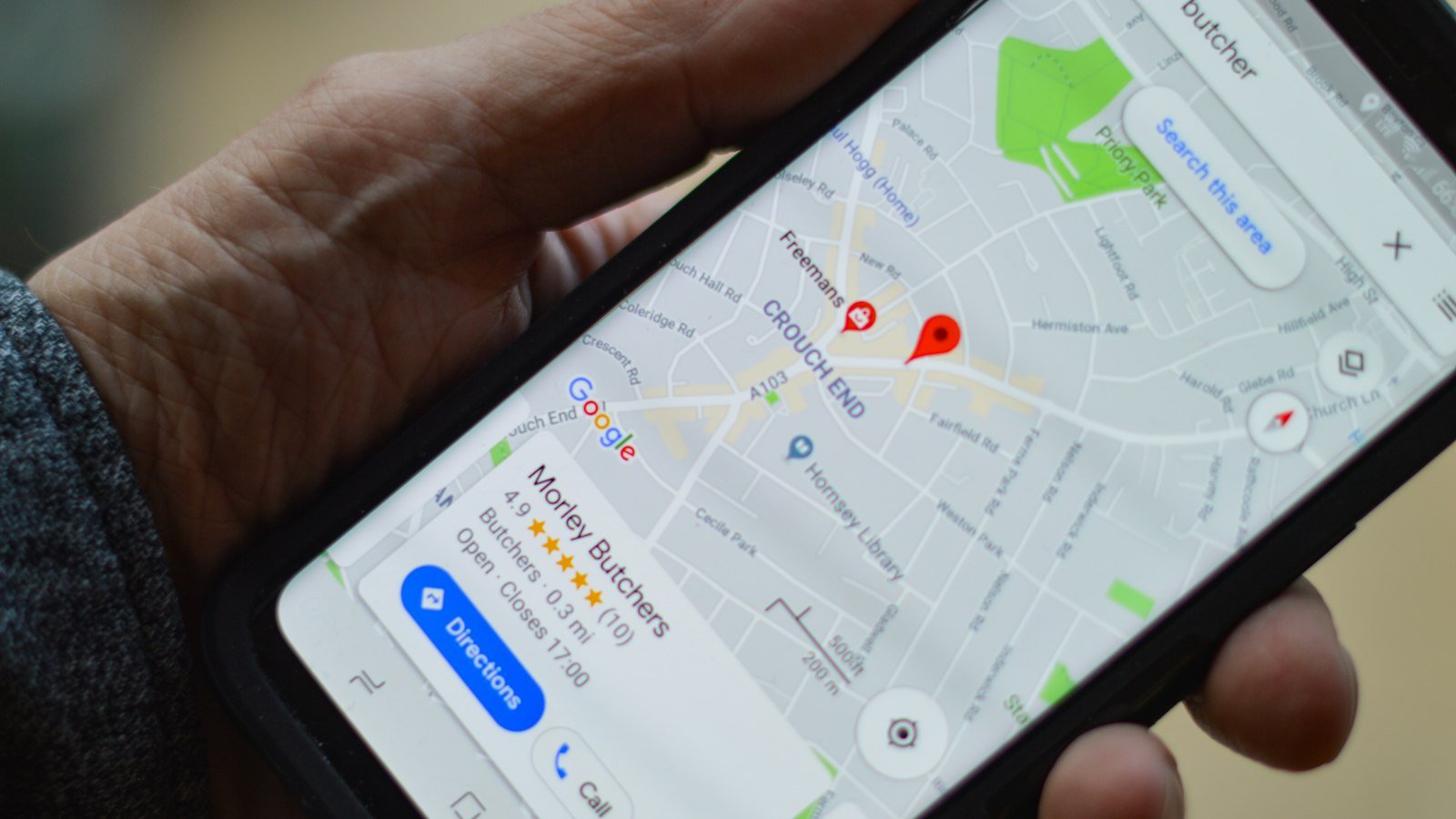

More and more people ask an artificial intelligence before searching on Google: “what is the best beauty clinic near me?”, “who builds websites in my city?”. If your website is not clear to these tools, your business may not even appear in the answer.
What is SEO for AI (GEO)
Traditional SEO is optimizing a website to appear in Google’s results. SEO for AI, or GEO, is optimizing so that AI-powered search tools understand your business and cite it in their answers. The two go together: what helps one almost always helps the other.
How AI tools choose who to cite
AI tools look for clear, consistent and reliable information. They tend to use content that:
- answers a question directly, right at the beginning;
- makes explicit what the company does, for whom, where and for how much;
- has the same information on the website, on Google and on social media;
- is organized with headings, lists and frequently asked questions.
7 steps to prepare your website
- Answer first, explain later. Start each page with a paragraph that answers the main question, such as “how much does it cost” or “what is it”.
- Say where you operate. City, region and whether you work online. This weighs a lot in local searches.
- Show prices or price ranges. Questions about cost are among the most frequently asked to AI tools.
- Create real FAQs. Use the questions your clients already ask on WhatsApp.
- Use structured data. These are invisible codes (Schema.org) that tell machines what a company, service, price and question are.
- Keep everything consistent. Name, phone and address the same on the website, on your Google Business Profile and on Instagram.
- Allow AI crawlers. Check that your website’s robots.txt file does not block the crawlers of ChatGPT, Perplexity and others.
The role of the Google Business Profile
For local searches, the Google Business Profile (formerly Google My Business) is one of the most used sources. Keep category, hours, photos, services and the website link always up to date, and reply to reviews.
What does not work
Stuffing the text with keywords, creating empty pages for each city or copying content from other websites does not help and can hurt. AI tools value clarity and usefulness, not repetition.
Example: how an AI-ready page is written
Imagine a physiotherapy clinic. A traditional page would start with “Welcome to our clinic, a reference in quality”. A page designed for Google and AI starts like this:
“Clinic X offers orthopedic physiotherapy and Pilates in Araxá, Brazil. We treat adults with back pain and people recovering from injuries, Monday to Saturday. The initial assessment costs from [value] and can be booked on WhatsApp.”
In a few lines, the AI finds what it is, for whom, where, when and how much it costs. This is the kind of passage that appears in answers and summaries.
SEO for AI checklist
- Each service has its own page with a direct-answer paragraph at the beginning.
- Prices or price ranges are visible.
- City, region and how you serve clients are clear.
- There are real FAQs on every important page.
- Structured data for company, service and questions is set up.
- The robots.txt file allows search and AI crawlers.
- There is an llms.txt file summarizing the company and the main pages.
- Name, phone and address are the same on the website, on Google and on social media.
- The Google Business Profile is complete and has recent reviews.
- The blog answers your clients’ most common questions.
How to test whether your business shows up
Ask AI tools questions the way a client would: “who offers [your service] in [your city]?”, “how much does [your service] cost?”, “what is the difference between [option A] and [option B]?”. Note whether your business appears, what is said about it and whether the information is correct. Repeat this test periodically and use the answers to find out what is missing on your website.
Remember that answers vary depending on the tool, how the question is phrased and how often sources are updated. The goal is to improve the clarity and consistency of your information over time.
Quick glossary
- SEO: optimization to appear in search engines’ organic results.
- GEO: optimization to be understood and cited by AI-powered search tools.
- Structured data: code following the Schema.org standard that explains content to machines.
- llms.txt: a text file with a summary of the website designed for language models.
- Robots.txt: a file that indicates which crawlers can access the website.
Conclusion
SEO for AI is not a trick but a consequence of having a clear, complete and reliable website. Answer your clients’ questions directly, show who you are, where you operate and how much you charge, and keep your information consistent. That way, both Google and AI tools can recommend your business.
Frequently asked questions
Does SEO for AI replace traditional SEO?
No. They complement each other. A website well structured for Google is also easier for artificial intelligence to understand and cite.
What is llms.txt?
It is a simple text file placed on the website that summarizes the company, services and main pages in a format that is easy for AI tools to read.
How long until my business appears in AI answers?
There is no guaranteed timeline. It depends on how the tools update their sources. What matters is keeping your website clear, complete and consistent.