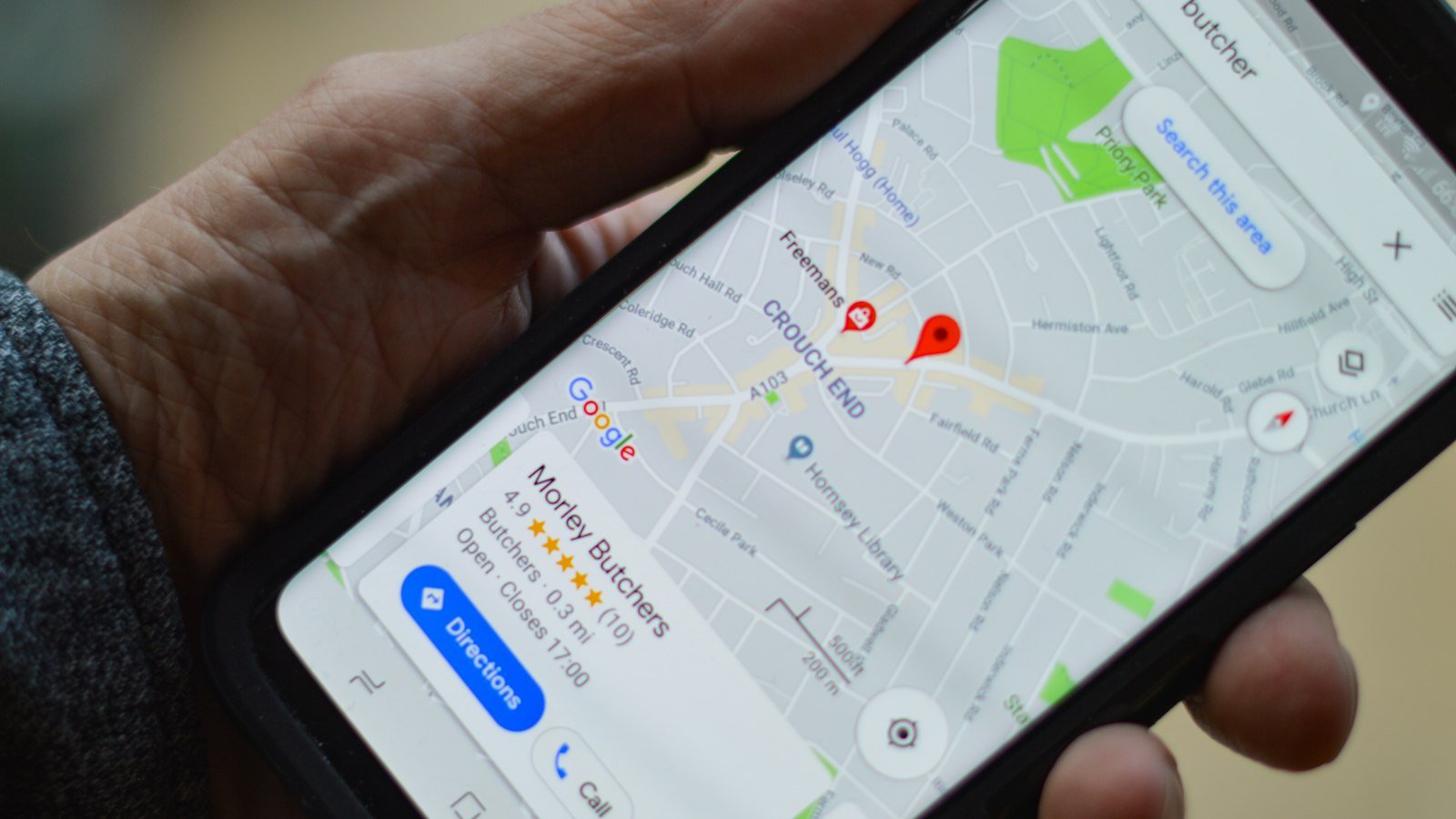

For businesses that serve a city or region, showing up for the whole country is pointless. What matters is being at the top when someone in your area searches for what you sell. This work has a name: local SEO. The good news is that small businesses can compete on equal terms with big brands in local searches.
What local SEO is
It is the set of actions to appear in searches with geographic intent, such as “bakery in [city]”, “electrician near me” or “beauty clinic open now”. In these searches, Google usually shows a map with a few highlighted businesses, in addition to the regular results.
The three factors Google considers
- Relevance: how well your business matches what was searched.
- Distance: how close the business is to the person searching.
- Prominence: how well known and well reviewed the business is, online and offline.
You don’t control distance, but you can work on relevance and prominence very well.
1. Google Business Profile
It is the starting point of local SEO. Fill in everything: the correct primary category, secondary categories, hours, phone, website, services, service area, real photos and a clear description. Post updates and keep information current, especially on holidays.
2. Reviews
Reviews influence both ranking and the client’s decision. Ask satisfied clients for reviews right after the service, sending the direct link. Reply to all of them, including negative ones, politely and with a solution. Never buy reviews: besides breaking the rules, it can hurt the profile.
3. The same name, address and phone everywhere
Use exactly the same details (the so-called NAP: name, address and phone) on the website, Google Business Profile, Instagram, Facebook and directories. Different information confuses both Google and clients.
4. A website with service pages that mention the city
- Create a page for each important service.
- Mention the city and region naturally in titles and copy, like “Physiotherapy in [city]”.
- Include address, map and hours on the contact page.
- Use local business structured data so Google understands where you are.
Avoid creating dozens of identical pages that only swap the city name. This is seen as low-quality content.
5. Local content
Write about topics that interest people in your region: common questions, city dates and events, neighborhoods served, local client cases. This kind of content reinforces your business’s connection to the place.
6. Local mentions and links
Join business associations, sponsor events, partner with other businesses and appear on city portals and newspapers. Every mention with the company name and link increases prominence.
Common local SEO mistakes
- An incomplete Google Business Profile or wrong hours.
- Different addresses and phones on each network.
- Not replying to reviews.
- A website that never mentions the city.
- Adding keywords to the business name on the Google profile, which goes against the guidelines.
How to measure
On your Business Profile, track how many people viewed, called, asked for directions and clicked the website. In Search Console, look at searches that include the city name. These numbers show whether the work is paying off.
A 30-day plan to improve local SEO
- Week 1: review and complete your Google Business Profile: category, hours, services, photos and description.
- Week 2: standardize name, address and phone on the website, social media and directories.
- Week 3: send the review link to recent clients and reply to existing reviews.
- Week 4: adjust the website’s service pages to mention the city and publish a local piece of content.
After that, keep the routine: new photos every month, quick replies to reviews and posts on the profile.
Example of a local service page
For a veterinary clinic, the page “Veterinary clinic in [city]” could include: services offered, specialties, hours, whether it handles emergencies, nearby neighborhoods, parking, photos of the facilities, team, reviews and a map. All of this answers the real questions of someone looking for a vet in the city.
Directories and citations
Besides Google, list your business in relevant directories, such as city business guides, associations in your industry and review platforms for your segment. Each citation with the same details strengthens your local presence. Prioritize quality: a few trustworthy directories are worth more than dozens of unknown websites.
Conclusion
Local SEO is one of the most efficient ways for small businesses to win clients in their own city. With a complete Google Business Profile, frequent reviews, consistent details and a website with clear service pages, your business starts showing up for people who are nearby and ready to hire.
Frequently asked questions
Do I need a physical address to appear on the map?
Not necessarily. Businesses that serve clients at their location can set a service area on the Google Business Profile, without showing the address.
How many reviews do I need?
There is no magic number. What matters is receiving real reviews regularly and replying to all of them.
Does local SEO work in small cities?
Yes, often with less competition. In smaller cities, a well-maintained profile and a well-structured website make a big difference.